
Counselling
Saskatoon winters are legendary for their length, cold, and darkness. Whether you’ve lived here for a long time, you’ve just moved to Saskatoon, or are planning a relocation to the Bridge City, that reputation can feel a bit daunting. Temperatures often plunge well below freezing (more like -40C), daylight hours shrink, and the landscape becomes dominated by snow and ice. For many of us, this season can feel isolating and exhausting. Yet winter does not just have to be endured passively. By intentionally engaging with the city’s natural spaces, cultural institutions, and community resources, it is possible to transform the season into one of resilience, connection, and even joy.
This guide explores how some of Saskatoon’s free and less costly resources can support mental health during the winter months. Drawing on a combination of research, community practices, and local opportunities, it offers strategies to manage the winter blues and cultivate well‑being.
The Impact of Winter
Seasonal changes affect mental health in profound ways. Reduced sunlight disrupts circadian rhythms and lowers serotonin levels, contributing to seasonal affective disorder (SAD) and general mood decline (Rosenthal et al., 1984). Cold temperatures and shorter days can also limit physical activity and social interaction, both of which are protective factors against depression and anxiety.
In Saskatoon, where winters are particularly harsh, these challenges are magnified. However, research shows that proactive engagement with light, movement, and social connection can mitigate these effects (Melrose, 2015). The city’s parks, trails, museums, and libraries provide accessible avenues for such engagement.
Nature as Support
Meewasin Valley Trails
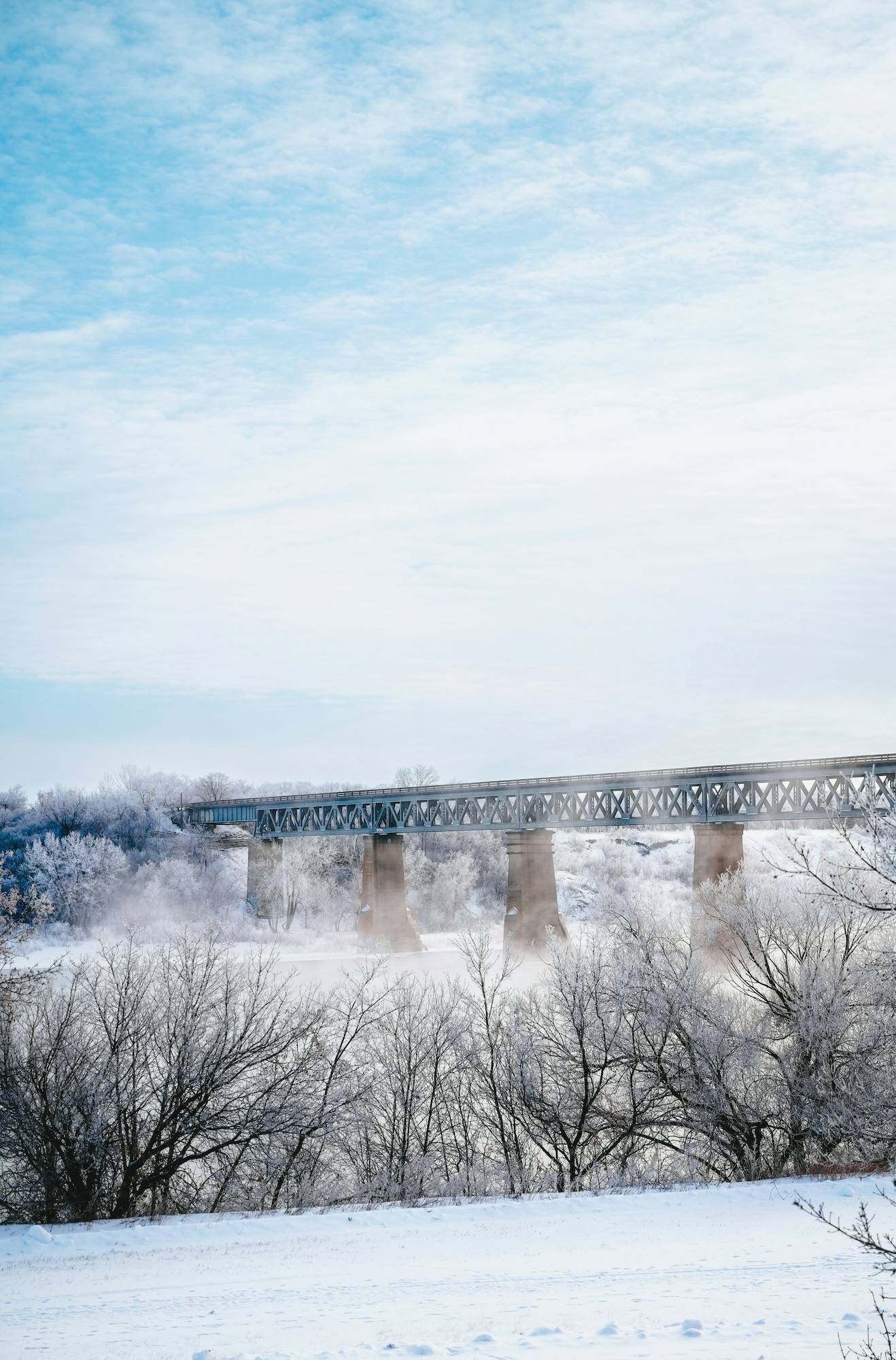
The Meewasin Valley is one of Saskatoon’s greatest assets. Stretching along the South Saskatchewan River, its trails remain open year‑round. Walking, snowshoeing, or skiing along these paths provides exposure to natural light and fresh air, both of which are critical for regulating mood. Spending time in nature has been shown to reduce rumination, improve cognitive function, and lower stress (Bratman et al., 2019).
Even brief walks can be therapeutic. The rhythmic crunch of snow underfoot, the sight of frost‑covered trees, and the sound of the river create sensory experiences that ground individuals in the present moment. This form of mindfulness in nature can counteract the mental fog often associated with winter blues.
Kinsmen Park and Neighbourhood Rinks
Kinsmen Park offers open spaces for play, skating, and quiet reflection. Public skating rinks across Saskatoon provide free opportunities for movement and social interaction. Physical activity is a well‑documented buffer against depression, and outdoor exercise adds the benefits of light exposure and community engagement (Peluso & Andrade, 2005).
These spaces also foster intergenerational connection. Families, friends, and neighbors gather to skate or play, reinforcing social bonds that are essential for mental health.
Art and Culture for Emotional Renewal
Remai Modern
The Remai Modern Art Museum is a cultural centerpiece. Now that admission to the museum is free, it is broadly accessible. Immersing oneself in visual art stimulates creativity and emotional regulation. Neuroaesthetic research suggests that engaging with art can activate brain regions associated with reward and empathy, reducing stress and enhancing mood (Bolwerk et al., 2014).
Visitors can wander galleries, reflect on installations, and participate in community programs. The contemplative atmosphere provides a respite from winter’s harshness, offering both inspiration and calm.
Ukrainian Museum of Canada and Indigenous Cultural Spaces
The Ukrainian Museum of Canada and the Saskatchewan Indigenous Cultural Centre provide opportunities to connect with heritage and identity. Exploring cultural narratives fosters belonging and perspective, both of which are protective factors for mental health. Belonging has been shown to buffer against loneliness and depression, particularly during challenging seasons (Holt‑Lunstad et al., 2015).
Engaging with cultural institutions also broadens empathy and understanding. For someone struggling with isolation, these spaces may offer connection to collective histories and communities.
Western Development Museum
The Western Development Museum situates personal experiences within broader historical narratives. Exhibits on prairie life, innovation, and resilience remind visitors of the human capacity to adapt and thrive. This perspective can be empowering during winter, reframing challenges as part of a larger story of endurance. beyond the metaphors though, the space is accessible and offers free parking and lots of room to walk, making it ideal for channeling interest while simultaneously moving your body. While admission costs could pose a barrier, keep an eye on their website for free admission dates.
Community and Connection
Libraries as Mental Health Resources
Saskatoon’s public libraries are warm, welcoming spaces that provide free programming, books, and communal environments. Libraries combat isolation by offering opportunities for social interaction, learning, and creativity. Simply spending time in a library can reduce feelings of loneliness, while engaging in programs fosters belonging.
Libraries also provide access to mental health resources, from self‑help books to workshops. For individuals seeking quiet refuge, they offer contemplative spaces for reading, journaling, or reflection.
Festivals and Public Events
Community festivals such as Wintershines transform winter into a season of celebration. Ice sculptures, outdoor skating, and various performances create opportunities for joy and connection. Participation in community events has been linked to increased social capital and improved well‑being (Putnam, 2000).
Even smaller events, such as local concerts or cultural showcases, provide reasons to leave the house and engage with others. These gatherings counteract isolation and foster a sense of belonging. Sometimes time spent in a crowd, even on one’s own, is restorative.
Mindfulness and Reflection in Public Spaces
Winter invites slower rhythms, which can be harnessed for mindfulness. The quiet of the Meewasin Valley or the contemplative atmosphere of a museum gallery can be used for intentional breathing, reflection, or journaling. Mindfulness practices reduce stress, improve emotional regulation, and enhance resilience (Keng et al., 2011).
Public spaces provide accessible venues for mindfulness. Sitting in a library, walking along the river, or standing before a piece of art can all become opportunities for grounding and reflection.
Practical Mental Health Strategies for Winter
All of this to be said, often we’re looking for some practical strategies for navigating the longest parts of winter. So here are a few things you might try.
Seek light daily. Natural light exposure, even for 20 minutes, supports mood regulation. Light therapy lamps can supplement sunlight during particularly dark days.
Move gently. Walking, skating, or stretching indoors helps counter lethargy. Physical activity releases endorphins and reduces stress.
Engage creativity. Drawing, writing, or visiting art spaces stimulates positive emotions. Creative expression has been linked to improved mental health outcomes (Stuckey & Nobel, 2010).
Stay socially connected. Attend free community events or visit libraries to maintain belonging. Social interaction buffers against depression and loneliness.
Practice mindfulness. Use quiet public spaces to slow down and center yourself. Mindfulness reduces rumination and enhances resilience.
Remote Work and Winter Mental Health
The rise of remote work presents new challenges and opportunities for winter mental health. Remote work can increase isolation, but it also provides flexibility and autonomy. For remote workers in Saskatoon, engaging with public spaces such as libraries, museums, and trails can counteract isolation.
Intentional communication and social connection are critical. Remote workers need to prioritize community engagement to maintain belonging and resilience.
Conclusion
Saskatoon’s winter may be cold and dark, but it is also filled with opportunities to nurture mental health. Free and affordable spaces - parks, trails, museums, libraries, and festivals offer light, connection, and renewal. By intentionally engaging with these resources, we can transform winter from a season of endurance into a season of growth.
Winter in Saskatoon is not something to endure passively. It is a season we are forced to embrace, with opportunities for nature, art, community, and reflection. By prioritizing mental health strategies and engaging with the city’s resources, residents can navigate the winter blues and cultivate resilience.
As with all things, if you are struggling and the winter blues have gotten you down or the slowing of the seasons has brought more introspection and you find you’re in need of support - don’t hesitate to connect with us at Wasson Counselling & Consulting. We’re here to support you in any season of the year (or your life).
Warmly,
Erin
Bolwerk, A., Mack‑Andrick, J., Lang, F. R., Dörfler, A., & Maihöfner, C. (2014). How art changes your brain: Differential effects of visual art production and cognitive art evaluation on functional brain connectivity. PLOS ONE, 9(7), e101035.
Bratman, G. N., Anderson, C. B., Berman, M. G., Cochran, B., de Vries, S., Flanders, J., … & Daily, G. C. (2019). Nature and mental health: An ecosystem service perspective. Science Advances, 5(7), eaax0903.
Holt‑Lunstad, J., Smith, T. B., Baker, M., Harris, T., & Stephenson, D. (2015). Loneliness and social isolation as risk factors for mortality: A meta‑analytic review. Perspectives on Psychological Science, 10(2), 227–237.
Keng, S. L., Smoski, M. J., & Robins, C. J. (2011). Effects of mindfulness on psychological health: A review of empirical studies. Clinical Psychology Review, 31(6), 1041–1056.
Melrose, S. (2015). Seasonal affective disorder: An overview of assessment and treatment approaches. Depression Research and Treatment, 2015, 178564.
Peluso, M. A. M., & Andrade, L. H. S. G. (2005). Physical activity and mental health: The association between exercise and mood. Clinics, 60(1), 61–70.
Putnam, R. D. (2000). Bowling alone: The collapse and revival of American community. New York: Simon & Schuster.
Rosenthal, N. E., Sack, D. A., Gillin, J. C., Lewy, A. J., Goodwin, F. K., Davenport, Y., … & Wehr, T. A. (1984). Seasonal affective disorder: A description of the syndrome and preliminary findings with light therapy. Archives of General Psychiatry, 41(1), 72–80.
Shore, L. M., Randel, A. E., Chung, B. G., Dean, M. A., Holcombe Ehrhart, K., & Singh, G. (2011). Inclusion and diversity in work groups: A review and model for future research. Journal of Management, 37(4), 1262–1289.
Stuckey, H. L., & Nobel, J. (2010). The connection between art, healing, and public health: A review of current literature. American Journal of Public Health, 100(2), 254–263.